10 Powerful Community Engagement Strategies for 2025

In the digital age, a passive audience is a missed opportunity. True growth lies in transforming followers into an active, engaged community that feels a sense of belonging and ownership. But how do you bridge that gap? The answer is through deliberate community engagement strategies that foster genuine connection, encourage meaningful participation, and build lasting loyalty.
For creators, entrepreneurs, and businesses, mastering these strategies is no longer optional; it's the core of a sustainable online business. This is especially true for those using integrated platforms to keep their audience unified. For example, Polish creators on platforms like Zanfia leverage a true all-in-one system to merge community, courses, and content seamlessly under their own domain. This approach, which keeps everything under the creator's brand, dramatically boosts engagement, lifetime value, and member retention by eliminating the need to send audiences to external tools like Discord or Facebook groups.
This article moves beyond abstract ideas to provide a blueprint of 10 proven strategies with actionable tactics you can implement today. We will explore how to create spaces where members feel valued, heard, and empowered, turning your brand into a vibrant, self-sustaining ecosystem. To better understand the core principles for fostering a vibrant online space, consider these 8 Community Engagement Best Practices as a foundational starting point for the tactics we will cover.
Table of Contents
1. Strategy 1: Launch a Community Advisory Board to Empower Your Core Members
One of the most powerful community engagement strategies involves formalizing feedback by creating a dedicated advisory board. This group consists of your most active and insightful members who meet regularly to provide direct input on your content, products, and community direction. It transforms passive feedback collection into an active partnership, making your core members feel like true co-creators.

This approach builds immense trust and ensures your decisions are grounded in the real-world needs of your audience. For example, a course creator could form a student council to improve curriculum, or a tech company might establish a user advisory board to guide feature development.
How to Implement This Strategy
To make your advisory board effective, focus on structure and clear communication.
- Recruit Thoughtfully: Invite a diverse group of members representing different segments of your community to ensure a wide range of perspectives.
- Establish a Charter: Create clear guidelines for the board’s purpose, meeting frequency, and member responsibilities. To learn more about creating a solid foundation for group interactions, explore these examples of effective community guidelines.
- Provide Value: Compensate members for their time with exclusive perks, early access to new products, or direct influence on your brand’s roadmap.
- Leverage Your Platform: If you use an all-in-one platform like Zanfia, you can easily create a private, dedicated channel for your advisory board. This keeps these high-value conversations secure and integrated within your branded ecosystem, rather than fragmented across external tools.
2. Social Media Community Building
Leveraging social media is one of the most accessible community engagement strategies, transforming platforms like Instagram, Facebook, and TikTok into vibrant hubs for connection. This approach focuses on creating interactive spaces where members can share experiences, engage with your brand, and connect with one another through consistent content, active discussion facilitation, and genuine two-way communication.

This strategy turns passive followers into an active, engaged audience. For instance, GoPro built a massive community by encouraging users to share their adventures with a branded hashtag, while niche Facebook Groups create supportive spaces for local neighborhood associations or hobbyists to connect and collaborate.
How to Implement This Strategy
Success on social media requires a commitment to consistency and authentic interaction.
- Establish a Consistent Presence: Post high-quality content on a regular schedule to keep your audience engaged and give them a reason to return.
- Encourage User-Generated Content (UGC): Create branded hashtags or run challenges that motivate your members to create and share their own content, making them active participants in your brand’s story.
- Engage Proactively: Respond to comments and messages promptly, use polls and questions to spark conversations, and moderate discussions to maintain a positive and respectful environment.
- Centralize Your Core Community: While social media is great for reach, dedicated platforms are better for deep engagement. The goal is to build an asset you own. Unlike platforms that push audiences toward external tools, all-in-one solutions like Zanfia keep everything unified under the creator’s brand—dramatically boosting engagement and member retention.
3. Implement Participatory Budgeting to Give Members a Voice
For a truly democratic approach, participatory budgeting is one of the most impactful community engagement strategies you can deploy. This process directly involves members in deciding how to allocate a portion of a budget, transforming them from passive consumers into active stakeholders with real decision-making power. It ensures resources are spent on initiatives the community genuinely values, building profound trust and a sense of shared ownership.
This strategy is highly effective for organizations with discretionary funds, such as non-profits, large online communities, or even businesses with a community development budget. For instance, a creator could let their members vote on which new course topic to fund next, or a brand could allocate a budget for community-led projects, with members proposing and voting on the winners.
How to Implement This Strategy
A successful participatory budgeting process hinges on transparency, inclusivity, and clear communication.
- Define the Scope: Clearly state the total budget available and the types of projects or initiatives that are eligible for funding. This manages expectations and focuses ideation.
- Ensure Accessibility: Offer multiple ways for members to participate, including online polls, dedicated discussion threads, and live virtual meetings. The goal is to lower the barrier to entry for everyone.
- Provide Transparent Updates: Regularly communicate the status of proposals, the results of votes, and the progress of funded projects. This closes the feedback loop and shows members their input led to tangible outcomes.
- Centralize the Process: Platforms like Zanfia are ideal for managing this process from start to finish. Its advanced community tools allow you to create a dedicated channel for brainstorming ideas, use polls to facilitate voting, and post regular updates in a read-only announcements channel, keeping the entire initiative organized and transparent within your branded community space.
4. Community Events and Gatherings
One of the most authentic community engagement strategies is to move interactions from the digital world into the physical one through events and gatherings. Hosting in-person, virtual, or hybrid events creates shared experiences that build deeper, more personal connections among members. These gatherings transform online avatars into real people, fostering a powerful sense of belonging and collective identity.
This approach is incredibly versatile. A creator could host a local meetup for their course students, a brand could organize a workshop, or a nonprofit could run a volunteer appreciation day. The goal is to facilitate face-to-face interaction that strengthens the bonds formed within your digital community spaces.
How to Implement This Strategy
Successful events require thoughtful planning and a focus on accessibility and member value.
- Plan for Inclusivity: Choose accessible, centrally located venues for in-person events. For virtual or hybrid gatherings, ensure the technology is user-friendly for all participants.
- Remove Barriers to Entry: Offer free or low-cost admission whenever possible. Consider providing support like childcare or translation services to allow more members of your community to attend.
- Promote Widely: Advertise your event through all your community channels, including email newsletters, social media, and dedicated announcement spaces on your platform. To ensure your community events run smoothly and are well-organized, consider utilizing effective event planning checklists.
- Integrate with Your Platform: Use a platform like Zanfia to manage event registrations, create dedicated channels for attendees to connect before and after, and share follow-up materials. This keeps the entire event experience unified under your brand, from initial announcement to post-event engagement. You can find inspiration by exploring various community circle topics that can be adapted for live discussions.
5. Volunteer Programs and Service Opportunities
Transforming members into active contributors through volunteerism is one of the most impactful community engagement strategies available. This approach mobilizes your audience to support your mission, creating pathways for them to contribute their time, skills, and passion. It goes beyond simple participation and fosters a deep sense of shared purpose and ownership.
This strategy builds powerful connections by aligning member actions with community values. For example, an environmental group could organize local cleanup days, or a business mentorship community might create a program where experienced members volunteer to guide newcomers. The key is to channel goodwill into structured, meaningful action.
How to Implement This Strategy
A successful volunteer program relies on clarity, support, and genuine recognition.
- Offer Diverse Roles: Design opportunities that cater to various skill levels, time commitments, and abilities to maximize participation.
- Provide Clear Training: Equip volunteers with the knowledge and tools they need to succeed through comprehensive training and ongoing support.
- Recognize Contributions: Publicly celebrate your volunteers' efforts and showcase the collective impact of their work to inspire others and show appreciation.
- Centralize Coordination: Use a dedicated space to manage these initiatives. A platform like Zanfia allows you to create private channels for volunteer groups, making it easy to share instructions, coordinate tasks, and gather feedback, all within your branded community ecosystem.
6. Community-Based Research and Co-Design to Solve Real Problems
One of the most profound community engagement strategies is to move beyond simply asking for feedback and instead invite members to become co-creators in solving shared problems. This approach, known as community-based research and co-design, positions your members as equal partners in identifying needs, designing solutions, and evaluating outcomes. It ensures that your efforts are genuinely relevant and impactful.
This strategy transforms the dynamic from a top-down model to a collaborative partnership. For instance, an online educator could host a series of design workshops with students to build a new, more effective learning module, or a health and wellness brand could partner with its community to research and develop a program that addresses their specific challenges. This deepens member investment and guarantees the final product resonates.
How to Implement This Strategy
Effective co-design requires trust, transparency, and a commitment to shared ownership.
- Establish Clear Partnership Agreements: Define roles, responsibilities, and how outcomes will be shared from the very beginning. This prevents misunderstandings and ensures everyone feels respected.
- Provide Necessary Training: Equip community partners with the skills they need to contribute effectively, whether it's basic research methods or design thinking principles. This levels the playing field and empowers them to participate fully. To dive deeper into how collaborative learning environments function, you can learn more about social learning.
- Compensate Fairly: Acknowledge the value of your members' time and expertise. Offer fair compensation, whether it's financial, providing free access to the final product, or co-authorship on any resulting publications.
- Create a Dedicated Collaboration Space: Use a platform like Zanfia to create a private channel or group dedicated to the project. This centralizes communication, file sharing, and feedback, keeping the entire co-design process organized and accessible within your branded community ecosystem.
7. Grassroots Organizing and Advocacy
For communities driven by a shared cause or mission, one of the most impactful community engagement strategies is mobilizing members for grassroots organizing and advocacy. This approach transforms a passive group into an active force for change, uniting individuals around common goals to influence policy, challenge existing systems, and create tangible social impact through collective action.
This strategy is about building power from the ground up, turning shared concerns into focused campaigns. Examples range from local tenants' rights organizations advocating for fair housing to global movements like the Sunrise Movement pushing for climate action. It galvanizes members by giving them a direct role in shaping their world, fostering an incredibly deep and resilient sense of belonging and purpose.
How to Implement This Strategy
Effective grassroots organizing requires clear goals, strong relationships, and strategic action.
- Start with Deep Listening: Before launching any campaign, invest time in understanding the core concerns and aspirations of your community members. Use polls, forums, and direct conversations to identify the issues that resonate most deeply.
- Build Relationships and Trust: Consistency is key. Establish trust by being a constant presence, facilitating open dialogue, and demonstrating that you are genuinely invested in the community’s well-being, not just a single outcome.
- Develop Clear, Achievable Goals: Break down large, ambitious visions into smaller, measurable campaign goals. A clear objective, like passing a specific local ordinance, is far more motivating than a vague, abstract mission.
- Use Diverse Tactics: A successful campaign uses a variety of methods, including petitions, public demonstrations, educational webinars, and direct outreach to decision-makers. This allows members with different skills and comfort levels to contribute meaningfully.
- Leverage Your Platform for Coordination: An integrated platform like Zanfia is ideal for organizing advocacy efforts. You can create dedicated, private channels for campaign planning, use announcement channels to broadcast urgent actions, and host educational content to inform members about key issues, all within your branded ecosystem. This keeps coordination streamlined and secure.
8. Host Community Listening Sessions and Formalize Feedback
One of the most authentic community engagement strategies is to create dedicated spaces for your members to voice their opinions, concerns, and ideas. By establishing formal feedback mechanisms like listening sessions, town halls, or structured surveys, you move beyond passive observation and actively invite your community into the decision-making process. This builds a culture of transparency and respect, showing members their input is truly valued.
This approach strengthens the relationship between you and your community, ensuring that your products, content, and strategic direction align with their actual needs. For instance, a small business owner could host quarterly "customer roundtables" to discuss service improvements, while an online educator might use regular surveys to refine course material based on student feedback.
How to Implement This Strategy
Effective listening requires more than just asking for opinions; it demands a structured and thoughtful process.
- Create Safe and Inclusive Spaces: Ensure all members feel comfortable sharing, whether in a live town hall or an anonymous survey. Set clear ground rules for respectful dialogue.
- Offer Multiple Avenues for Input: Not everyone is comfortable speaking in a group. Provide various channels like live sessions, feedback forms, and dedicated forums to accommodate different communication styles.
- Communicate How Feedback Will Be Used: Be transparent about your process. Let members know how their suggestions will be reviewed and considered to manage expectations and build trust.
- Close the Feedback Loop: This is the most crucial step. After implementing a change based on community input, announce it and credit the community for their role. This validates their contribution and encourages future engagement. For example, you can use a read-only announcements channel in your Zanfia community to share these updates, ensuring everyone sees the direct impact of their voice.
9. Youth and Intergenerational Engagement Programs
To build a truly resilient and dynamic community, it's essential to include specialized community engagement strategies that actively involve younger members and bridge generational gaps. Youth and intergenerational programs move beyond tokenism, treating young people as genuine agents of change and creating spaces where different age groups can share wisdom and collaborate. This approach injects fresh energy and diverse perspectives into your community, fostering mutual respect and shared ownership.
For example, a non-profit might establish a youth council with real decision-making power, while a brand could launch an intergenerational storytelling project connecting seasoned experts with newcomers. These initiatives recognize that every member, regardless of age, brings valuable experience to the table, creating a richer, more inclusive environment for everyone.
How to Implement This Strategy
Authenticity is key to making these programs successful. Young members can spot symbolic gestures easily, so focus on granting them real influence and creating genuine connections.
- Grant Genuine Power: Ensure youth roles are not just for show. Give them real budgets to manage, a vote in key decisions, or leadership over specific projects to foster a sense of ownership.
- Provide Mentorship and Training: Pair younger members with experienced mentors. This develops their leadership skills and ensures they have the support needed to contribute effectively.
- Create Inclusive Spaces: Recognize the unique needs of different age groups. Offer flexible scheduling to accommodate school or work and create dedicated peer support systems.
- Centralize Collaboration: Use your platform to create a dedicated, multi-generational channel or group. Within a platform like Zanfia, you can set up a private space where these members can collaborate, share resources, and organize projects, keeping these valuable conversations integrated within your branded ecosystem.
10. Storytelling and Narrative Change Initiatives
One of the most profound community engagement strategies is to center and amplify the authentic stories of your members. This approach uses personal narratives, shared experiences, and cultural expressions to build empathy, challenge stereotypes, and foster a deeper sense of connection and belonging. By creating a platform for storytelling, you transform your community into a living archive of shared human experience.
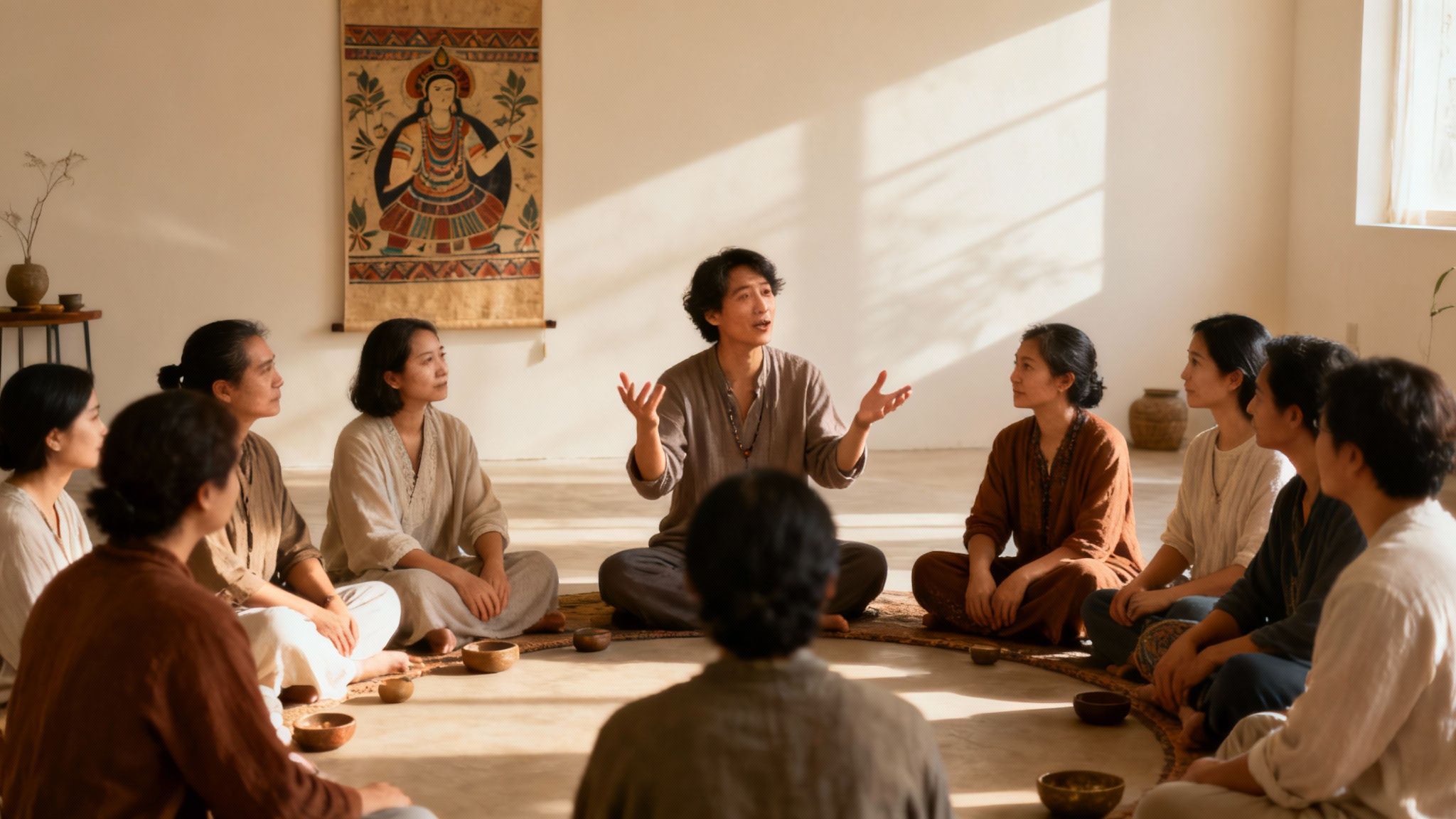
This strategy is exceptionally powerful for driving social change and humanizing complex issues. Initiatives like StoryCorps and Humans of New York have demonstrated how individual stories can shift public perception on a massive scale. For brands and creators, this can mean spotlighting customer success stories, sharing member journeys, or hosting live "ask me anything" sessions with community members.
How to Implement This Strategy
To successfully leverage storytelling, focus on creating safe, structured opportunities for members to share.
- Prioritize Authentic Voices: Ensure community members are the narrators of their own stories. Avoid imposing external interpretations and let their perspectives shine through.
- Create Safe Spaces: Establish clear guidelines and moderation practices to ensure discussions remain respectful, especially when dealing with vulnerable topics.
- Provide Tools and Training: Offer members resources or simple training on how to craft and share their stories effectively, whether through writing, video, or audio.
- Share Across Platforms: Amplify these narratives across multiple channels to maximize their reach and impact. You can learn more about how powerful storytelling fits into a broader engagement plan with these content marketing best practices.
Community Engagement: 10-Strategy Comparison
| Initiative | 🔄 Implementation complexity | ⚡ Resources & speed | ⭐ Expected outcomes | 📊 Ideal use cases | 💡 Key advantage / tip |
|---|---|---|---|---|---|
| Community Advisory Boards | 🔄 High — formal governance, recurring meetings | ⚡ High resources; slow to stand up | ⭐⭐⭐⭐ — strong representation & accountability | Strategic planning, healthcare, long-term programs | 💡 Ensure diverse membership, training, and member compensation |
| Social Media Community Building | 🔄 Medium — platform-specific moderation | ⚡ Low entry cost; fast reach; requires daily management | ⭐⭐⭐ — broad engagement and brand advocacy | Marketing, peer support, rapid outreach | 💡 Post consistently, respond quickly, encourage UGC |
| Participatory Budgeting | 🔄 High — democratic processes and voting logistics | ⚡ Medium–high resources; slow iterative cycles | ⭐⭐⭐⭐ — increased civic engagement, funds aligned to needs | Public budget allocation, neighborhood project funding | 💡 Provide multiple participation channels and clear budget info |
| Community Events and Gatherings | 🔄 Medium — event planning and logistics | ⚡ Medium resources; moderate setup time; immediate engagement | ⭐⭐⭐⭐ — builds relationships and shared identity | Outreach, cultural celebration, networking | 💡 Choose accessible venues; offer childcare/translation |
| Volunteer Programs & Service Opportunities | 🔄 Medium — volunteer management systems needed | ⚡ Low–medium cost; scalable but needs coordination | ⭐⭐⭐ — extends capacity and builds leadership | Service delivery, capacity building, short-term projects | 💡 Offer clear roles, training, recognition, and flexible commitments |
| Community-Based Research & Co‑Design | 🔄 High — partnership, ethics, shared decision-making | ⚡ High expertise and time; slower timelines | ⭐⭐⭐⭐ — locally relevant, culturally appropriate solutions | Program design, evaluation, culturally sensitive interventions | 💡 Establish agreements early and compensate community partners |
| Grassroots Organizing & Advocacy | 🔄 High — sustained relationship- and leadership-building | ⚡ Low monetary cost but time-intensive; high mobilization potential | ⭐⭐⭐⭐⭐ — durable power-building and systemic change | Policy change, social movements, rights campaigns | 💡 Start with deep listening; build leadership and diverse tactics |
| Community Listening Sessions & Feedback Mechanisms | 🔄 Low–Medium — facilitation and analysis workflows | ⚡ Low cost; quick to implement but needs follow-up | ⭐⭐⭐ — uncovers issues and builds accountability | Needs assessments, program feedback, public input | 💡 Use inclusive formats, trained facilitators, and close the loop |
| Youth & Intergenerational Engagement Programs | 🔄 Medium — tailored facilitation and mentorship | ⚡ Medium resources; sustained engagement needed | ⭐⭐⭐⭐ — develops youth leaders and bridges generations | Youth leadership, education, intergenerational projects | 💡 Give youth genuine decision-making power and flexible scheduling |
| Storytelling & Narrative Change Initiatives | 🔄 Medium — requires skilled facilitators and production | ⚡ Medium resources; variable timelines; long-term impact | ⭐⭐⭐⭐ — shifts narratives and increases empathy | Awareness campaigns, cultural preservation, advocacy | 💡 Center authentic voices, ensure consent, and provide media training |
From Strategy to System: Your Next Steps in Community Building
Moving from theory to practice is the defining challenge in community building. The ten community engagement strategies detailed in this article, from establishing Community Advisory Boards to launching powerful narrative initiatives, are not isolated tactics. They are interconnected components of a larger, living ecosystem. A truly vibrant community isn't built on sporadic campaigns; it’s cultivated through a consistent, integrated system where every interaction feels seamless and every member feels seen and heard. The real art lies in weaving these strategies together into a cohesive whole, creating a space where participation is not just encouraged but is the natural, default behavior.
This requires a fundamental shift in thinking. Instead of viewing engagement as a series of disconnected actions, you must see it as the output of a well-designed environment. Your role is to be the architect of that environment, and your tools matter immensely. The most effective community engagement strategies are those supported by a foundation that removes friction for both you and your members. When your community, courses, content, and payments all live in separate places, you create invisible barriers that stifle momentum and dilute the member experience. The goal is to build a unified home for your brand where every element works in harmony.
Key Takeaways for Lasting Engagement
To turn these ideas into a sustainable reality, focus on three core principles:
- Integration Over Fragmentation: A unified platform is non-negotiable. When members can move seamlessly from a course lesson to a related discussion channel without leaving your branded space, you dramatically increase participation. This is where tools that keep everything under one roof, like Zanfia, become a strategic advantage over piecemeal solutions. This unified approach is especially powerful compared to platforms like Skool that focus primarily on community, as an all-in-one system also supports subscriptions, bundles, and flexible payment plans.
- Ownership Over Renting: Building your community on a platform that gives you a custom domain and full white-label control is a long-term asset. It reinforces your brand identity, builds trust, and ensures you own the relationship with your audience, insulating you from the algorithm changes and branding decisions of third-party networks.
- Automation as a Force Multiplier: Your time is your most valuable resource. Powerful automations, such as instantly granting course access after payment or adding buyers to the right community channels, can save you 5–10+ hours a month. This allows you to redirect your energy from manual tasks to high-impact activities like creating content and fostering genuine connections.
Mastering these concepts is what separates thriving online businesses from those that struggle to gain traction. A well-executed engagement strategy transforms passive consumers into active co-creators, loyal advocates, and long-term subscribers. It is the engine that drives member retention, increases lifetime value, and ultimately, builds a resilient and profitable digital business. Your next step is not just to pick a strategy from the list, but to build the system that makes all of them possible.
Ready to build a thriving community on a platform designed for your growth? Discover how Zanfia brings your courses, community, and content together in one unified, white-label ecosystem with 0% platform fees. Start building your integrated community home today at Zanfia and keep 100% of what you earn.