

What Does Digital Creator Mean And How Do You Become One
You hear the term "digital creator" everywhere these days, but what does a digital creator mean, really? It’s more than just a buzzword. At its heart, a digital creator is a new breed of entrepreneur who builds an entire business by creating and sharing original content online. They turn their passion, expertise, and unique voice into tangible assets like videos, newsletters, or online courses.
The Modern Definition of a Digital Creator
Think of a digital creator as the architect of their own small media company. They're not just artists or social media posters; they're business owners.
This is a key distinction from the traditional "influencer" model. While an influencer's primary business is promoting other people's brands to their audience, a creator's main focus is building a community around their own content, products, and ideas. They are the teachers, entertainers, and trusted experts of the digital age.
This shift from simply influencing to actively creating has ignited a massive economic movement. The creator economy is currently valued at over $250 billion and is on track to nearly double to a staggering $480 billion by 2027. This boom is fueled by a huge demand for authentic, expert-led content that people can trust.

Moving Beyond Simple Content Creation
Being a successful digital creator means thinking like a CEO, not just a content producer. The real goal isn’t just to post things online; it's to build a sustainable business around what you create. This requires a potent mix of different skills:
- Content Strategy: Planning and producing content that genuinely helps or entertains a specific group of people.
- Community Building: Nurturing a loyal and engaged audience that sees you as a go-to resource.
- Monetization: Smartly turning that engagement into revenue through digital products, subscriptions, or memberships.
- Brand Management: Carving out a unique personal brand that makes you memorable in a very crowded space.
For a closer look at the day-to-day grind and the different hats you have to wear, check out our guide on what a digital creator does. It’s a journey that demands you be a producer one day, a marketer the next, and a community manager the day after.
Ultimately, a digital creator is someone who takes complete ownership of their relationship with their audience. They don't just borrow attention from a platform; they build their own ecosystem where their expertise is the core product, creating a direct, valuable connection with their most dedicated followers.
Exploring the Spectrum of Digital Creators
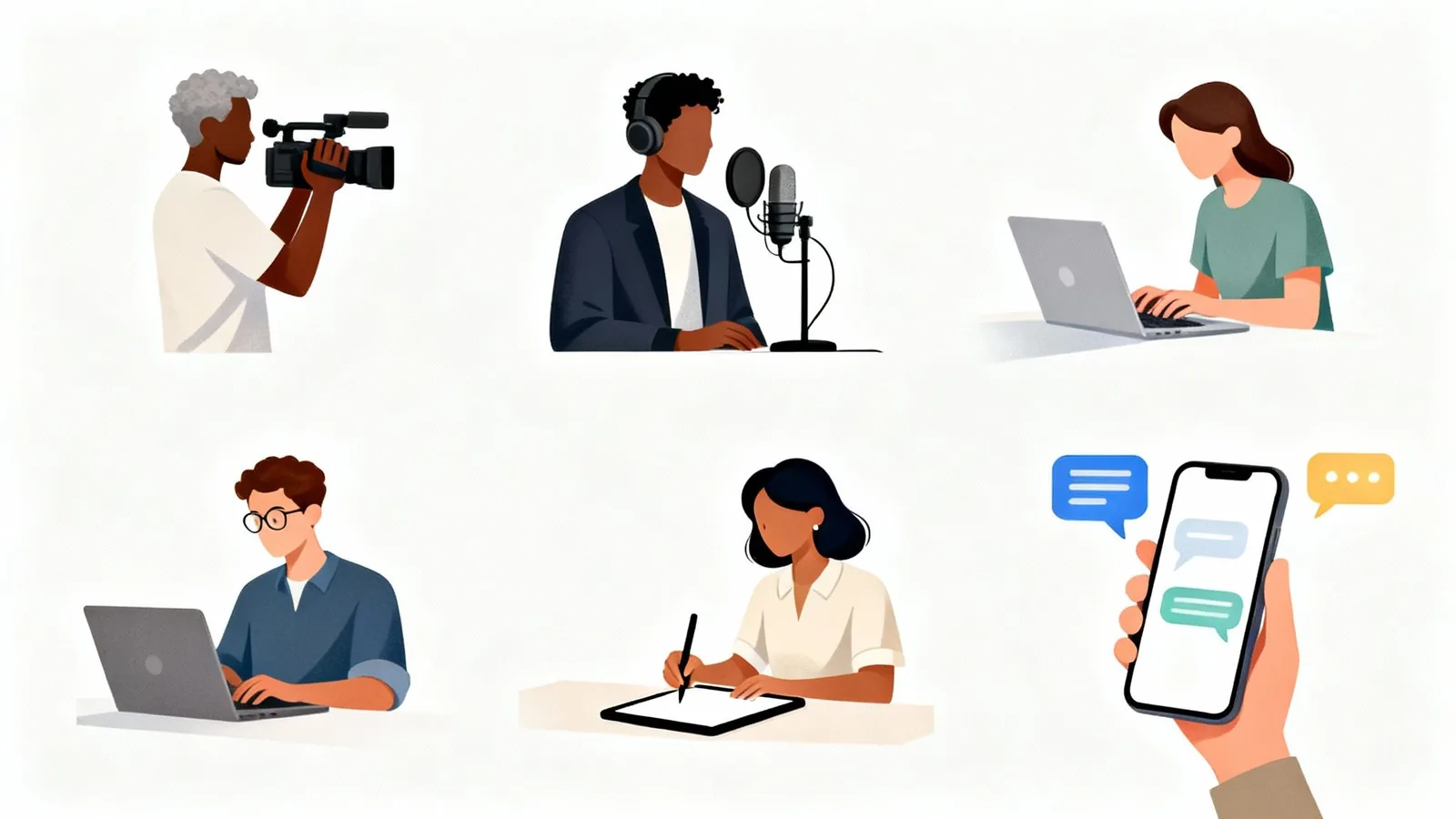
The term "digital creator" isn't a single job title. It's a massive, sprawling landscape of entrepreneurs, each carving out their own unique path to building an audience and a business. To really grasp what a digital creator means, you have to appreciate this diversity.
On one end of the spectrum, you have creators who build massive empires on a single platform. On the other, you'll find creators who expertly weave together multiple formats—video, audio, text—to build a single, powerful brand.
Each type of creator masters a different way of delivering value, which in turn builds a unique kind of relationship with their audience. This is where the magic happens; specialization is what lets them build deep trust and loyalty over time.
Common Creator Archetypes
While the lines definitely blur, most successful creators get their start by mastering one specific format. Here are the main archetypes you’ll see building businesses online today:
- YouTubers and Video Creators: These are the masters of visual storytelling. They use platforms like YouTube and TikTok to entertain, teach, and connect. They build loyal followings with consistent, high-quality videos, often starting with ad revenue and brand deals before launching their own products.
- Podcasters: Commanding attention through audio, podcasters create an incredibly intimate connection with their listeners. They're experts at crafting compelling interviews and stories, turning a daily commute or a gym session into a chance for their audience to learn something new.
- Course Creators and Educators: These are the experts who brilliantly package their knowledge into premium learning experiences. They build in-depth online courses, workshops, and coaching programs that solve a specific problem for their audience, turning their expertise directly into revenue.
- Community Builders: Their focus is all about connection and belonging. These creators build vibrant, paid online spaces—think private forums or chat groups—where members can connect, share, and grow together around a common interest or goal.
- Newsletter Writers: These creators land directly in their audience's inboxes with curated, high-value content. Through paid newsletters, they deliver exclusive insights and analysis, building a direct line of communication that isn't at the mercy of some mysterious algorithm.
Blending Roles for Greater Impact
Here’s the thing: the most successful creators rarely stay in just one lane. They strategically combine these roles to build multifaceted businesses that are far more resilient and profitable.
A YouTuber might launch a paid community for their biggest fans. A podcaster might sell a deep-dive online course to their most engaged listeners.
This blended approach is absolutely critical. It allows creators to truly own their audience relationship and diversify their income streams. Instead of being totally dependent on platform ad revenue, they start creating their own digital products and exploring different subscription business model examples for creators to build predictable, recurring revenue.
This is a powerful move, especially with the influencer advertising market projected to hit $39.33 billion by 2026. As brands look to partner with creators who command genuine trust, the ability to also sell your own products becomes a massive advantage. It solidifies your authority and turns followers into loyal customers inside an ecosystem you control.
The Essential Creator Toolkit: Skills and Technology
Stepping into the world of digital creation is about more than just having a great idea. It’s a blend of artistry and entrepreneurship, where creative talent meets practical business sense, all powered by the right tech.
Success isn't just about what you create; it's about how effectively you can produce, market, and sell it. This is where the real work begins, and it starts with a handful of non-negotiable skills that separate the pros from the hobbyists.

Core Skills for Every Creator
To build something that lasts, you have to be willing to wear a few different hats. You don't need to be a world-renowned expert in every single area, but building a solid foundation across these four pillars is absolutely critical for growth.
- Content Strategy: This is your blueprint. It’s the thinking behind the making—figuring out who you’re talking to, what you want to say, and how each piece of content serves your bigger business goals. A good strategy gives your work purpose.
- Production Skills: Whether you're writing crisp copy, recording clean audio for a podcast, or getting the hang of basic video editing, the quality of your output says everything about your brand. High-quality work builds trust and keeps people coming back.
- Community Management: A creator’s most valuable asset isn’t their content; it’s their community. This means actively engaging with your audience, sparking real conversations, and making people feel seen and heard. It’s about building relationships, not just broadcasting.
- Business Acumen: At the end of the day, this is a business. You need to understand how to make money, analyze your performance data, and manage your finances. The most successful creators treat their passion with professional discipline.
The Technology That Powers Creation
Of course, skills alone aren't enough. You need the right tools to bring your ideas to life and run the business smoothly. The modern creator's tech stack usually falls into three main buckets: creation, marketing, and operations.
The right technology simplifies complexity, automates tedious tasks, and frees you to focus on what you do best: creating valuable content and connecting with your community.
Instead of juggling a dozen different apps that don't talk to each other, a unified approach is a strong option for most creators. This is where a platform like Zanfia can act as the central hub for your operation. Zanfia is built AI-first: an AI team you can direct by chat or by voice, so you dictate the work instead of clicking through settings. It sits alongside your community, courses, and digital products in one system, and connects to your own AI assistants over an MCP endpoint (availability depends on the plan, see the current Zanfia pricing). For a closer look at what's out there, check out this list of the best AI tools for content creators that can help streamline your workflow.
This integrated model saves creators 5–10+ hours per month on mind-numbing admin tasks by automating things like payment processing and content access. It gets rid of the tech headaches so you can focus on building a professional brand under your own domain (custom domains and removing Zanfia branding are available on higher plans, see the current Zanfia pricing). If you're looking to explore more options, our guide to the best tools for content creators breaks down even more great resources.
How Creators Build Sustainable Businesses
Making a living online isn't about chasing ad revenue or landing the next brand sponsorship. While those can bring in cash, the smartest creators know that’s just renting an audience. The real path to a sustainable, long-term business is through ownership.
This means moving beyond platforms you don't control and building your own ecosystem. Think online courses, private communities, premium newsletters, and valuable e-books. When you sell directly to your audience, you’re not just making money—you’re taking full command of your revenue and, more importantly, building real customer relationships.
This is the blueprint for the modern creator: an entrepreneur building a real business in a market set to explode to $528.39 billion by 2030. While ad dollars get a lot of attention, the true, scalable value is in digital products. Just look at online courses alone—they're projected to be a $43.48 billion market by 2026.
The Shift to Owning Your Revenue
The leap from being an influencer to a business owner all comes down to your monetization strategy. Relying on ad networks or brand deals leaves you in a fragile spot, completely at the mercy of algorithm changes and shifting marketing budgets.
Selling your own products changes the entire game.
Just look at the difference in control and potential profitability. The numbers tell a clear story about where the power lies.
Creator Monetization Models A Comparison
This table breaks down the most common ways creators earn money, highlighting the trade-offs between control, scalability, and profit. It's a clear roadmap showing why direct sales are the ultimate goal.
| Monetization Model | Creator Control | Scalability | Typical Profit Margin |
|---|---|---|---|
| Ad Revenue | Low – Dictated by platform algorithms and advertiser demand. | High | Low to Moderate |
| Sponsorships | Moderate – Dependent on brand partnerships and negotiations. | Moderate | Moderate to High |
| Digital Products | High – Full control over pricing, content, and delivery. | Very High | Very High |
| Paid Community | High – Direct relationship with members, full branding control. | High | Very High |
The path to a stable business is obvious. Owning your product catalog gives you predictable income, especially when you start using powerful recurring revenue business models like memberships and subscriptions. That's where things get really interesting.
Maximizing Profit with Zero Platform Fees
A huge piece of this puzzle is the technology you choose to partner with. Most platforms will quietly slice off a big percentage of every sale you make, eating away at your hard-earned profits.
This is where a zero-commission model isn't just a feature—it's a fundamental shift in how creators can build their businesses.
Platforms that charge 0% transaction fees, like Zanfia, are built to be genuine partners. Zanfia runs on a straightforward SaaS subscription model, and as of 2026 it charges 0% platform commission on customer sales. What does that mean for you? You keep 100% of your revenue from every sale. The only fees you ever see are the standard ones from payment processors like Stripe or PayPal (roughly 2.9% + $0.30 in the US).
This is a massive deal, especially for creators earning five or six figures a month who are sick of watching platform commissions drain their bank accounts.
When you sell a course or a membership, that money should be yours. By cutting out platform fees, you can reinvest more back into your content, your community, and your marketing—fueling a powerful growth cycle and building an independent business that's truly yours.
Your Roadmap from Passion Project to Profession
Making the jump from a creative hobby to a real, sustainable business can feel daunting. But it's not about a single, massive leap. It’s a journey you take one deliberate step at a time. The path from hobbyist to professional creator isn’t paved with viral luck; it's built on a solid foundation and a clear, strategic roadmap.
A huge piece of that map involves learning how to build a strong personal brand that truly connects with people. Your brand is your promise—it tells your audience who you are, what you stand for, and why they should listen to you over anyone else. It's that unique mix of your voice, your values, and your expertise that makes you unforgettable.
Define Your Niche and Audience
The first, and most important, step is to get laser-focused. Trying to create content for “everyone” is a surefire way to resonate with no one. You have to get specific.
Ask yourself: who can I help the most? What is a very specific problem I can solve for a very specific group of people? Your niche is where your passion, your skills, and what your audience actually needs all come together. A tight focus is what lets you become the undisputed go-to expert for a dedicated community.
Build an Engaged Community
You don't need a million followers to run a successful creator business. What you do need is a small, engaged community that genuinely trusts you. To get there, concentrate on creating ridiculously valuable content that solves problems for your niche, and then show up to have real conversations with them.
- Listen to Everything: Pay close attention to their questions, their struggles, and their wins. This feedback isn't just nice to have—it's a goldmine for your next content or product idea.
- Spark Interaction: Don't just post and ghost. Ask questions, run polls, and create spaces where they can talk to each other. This is how you turn passive followers into an active, invested community.
- Be Consistent: Show up regularly. Consistency is the currency of trust in the digital world. It keeps your audience engaged and reminds them you’re in it for the long haul.
This is not a small opportunity. The scale of the creator economy is massive, and it's only getting bigger.
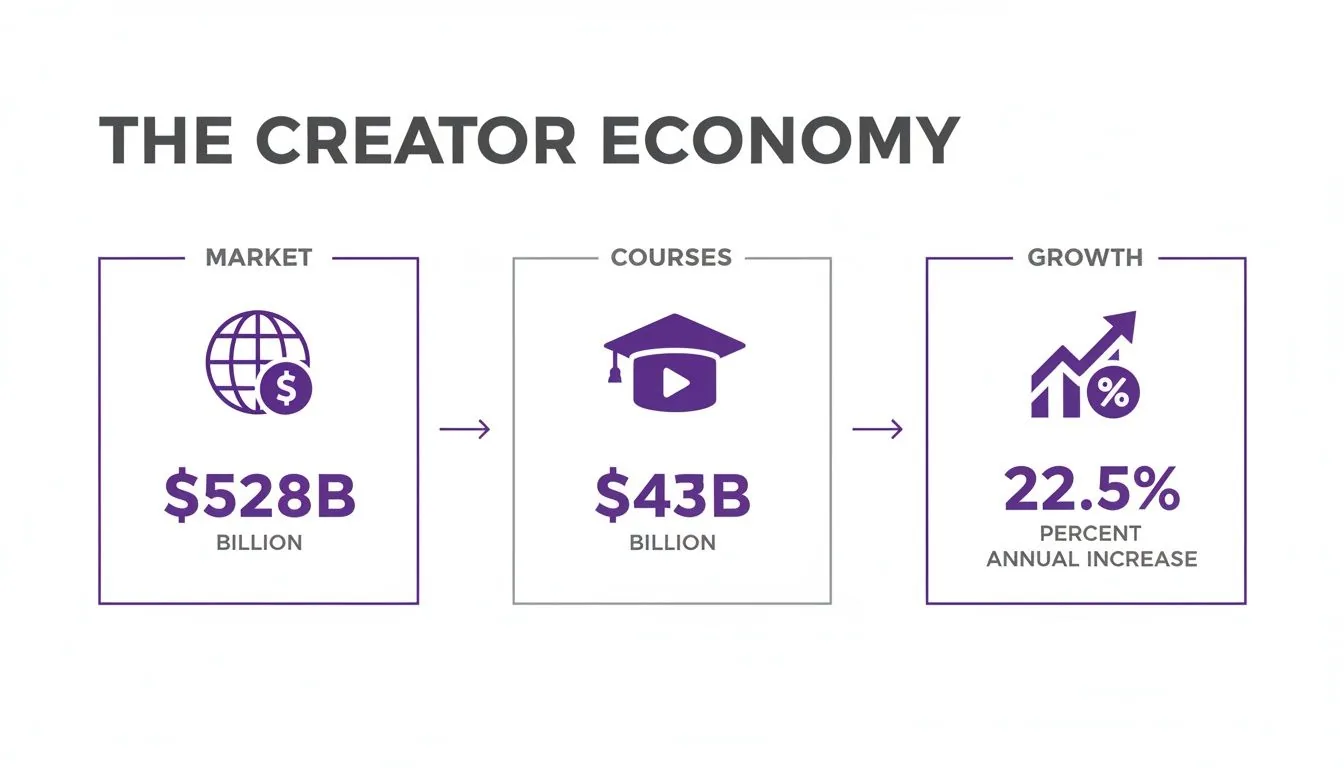
The numbers don't lie. Creators are operating in a booming market where digital products like courses represent a huge and profitable slice of the pie.
Create and Launch Your First Product
Once you’ve earned that trust, you’re ready to offer your first digital product. Don't overthink it! This doesn't have to be some epic, 50-module masterclass.
Start small. Create something that delivers a quick, valuable win for your community. Think about an e-book, a paid workshop, or a pack of time-saving templates. The secret is to solve a real, nagging problem that you’ve heard them complain about. When you’re ready to guide customers from discovery to purchase, our guide on how to create a sales funnel breaks it all down.
Choose the Right Technology Partner
The last piece of the puzzle is picking the right tech to run your business without driving you crazy. This is where an all-in-one platform isn't just a nice-to-have; it's essential.
A unified platform removes the technical hurdles that paralyze so many new creators. It handles the payments, the content delivery, and the community access so you can stay focused on what you actually love to do—creating.
A platform like Zanfia is built for creators who want an AI team doing the operational work while they focus on the craft. You dictate what the assistant should do by chat or voice, and it works across your courses, community, and checkout in one place. For someone just starting out, the 14-day free trial (no credit card required) is a low-risk way to get a first product out the door on Starter ($39/month, or $31/month billed annually). As you grow, higher plans add capabilities like order bumps, installments, custom domains, and an MCP endpoint so you can bring your own AI agents (availability depends on the plan, see the current Zanfia pricing). Across every plan, Zanfia charges 0% platform commission on customer sales, and its native video hosting and white-label options deliver the polished, professional experience your brand deserves. A checkout built to sell—with order bumps, installments that can split a $600 course into four payments, and upsells—means the work you put into creating actually ends in a sale.
Your Top Questions, Answered
As you start piecing this all together, a few common questions are bound to pop up. Think of this as the FAQ section where we tackle the stuff that might still be a little fuzzy, helping you move from thinking about this to actually doing it.
What’s the Real Difference Between a "Creator" and an "Influencer"?
This is a big one, and it’s easy to see why people use the terms interchangeably. But the core business model is worlds apart.
An influencer’s main gig is to borrow their audience's attention and point it toward other companies' products for a fee. A digital creator, on the other hand, builds a business around their own content, their own products, and their own community. Think online courses, private memberships, or valuable e-books.
Simply put, an influencer often rents their audience out. A creator builds a direct, meaningful relationship with theirs, creating something much more sustainable in the long run.
I'm Just Starting Out. How Do I Actually Make Money?
Forget about monetization for a second. Your first job is to build a small but mighty community around a topic you could talk about for hours. The goal is simple: earn their trust by showing up consistently with value. No strings attached.
Once you’ve built that foundation, the path to revenue becomes clear. Create a straightforward digital product that solves a specific, nagging problem for them. It doesn’t have to be a magnum opus—a focused workshop, a handy e-book, or a set of time-saving templates can be incredibly effective first products.
Using an all-in-one platform from day one is a smart move here. It takes the scary tech stuff—like payments and content delivery—off your plate so you can launch professionally without the headache. Even better if that platform lets you run a test purchase on your own checkout before your first real sale, so you know the buying flow works end to end.
Do I Really Need a Massive Following to Succeed?
Absolutely not. A small, hyper-engaged audience of true fans is far more valuable than a massive, passive one. A creator with just 1,000 loyal followers who trust their expertise can build a thriving and sustainable business.
Success in this world isn't about vanity metrics like follower counts. It’s measured by the depth of connection you build and the genuine value you provide. That's the real currency.
What Should I Look for in a Platform to Build My Business On?
You want a true partner, not just a tool. Look for an all-in-one solution that can grow with you and gives you total control over your brand and your money. A single system for your courses, community, and sales prevents the clunky, disjointed experience that kills customer loyalty.
Pay close attention to the pricing. A platform that charges 0% transaction fees today is a serious advantage, because it ensures you keep what you earn. Beyond that, essentials like custom domains, white-labeling, a checkout that supports order bumps and installments, and smart automations are what separate the hobbyist tools from the professional business engines. Increasingly, so is being able to actually run the platform with AI: dictating tasks by chat or voice, and letting your own AI agents connect over an MCP endpoint (on Zanfia, availability depends on the plan, see the current Zanfia pricing). You're building an asset, and your platform should reflect that.
Ready to build a creator business with an AI team doing the operational work? Zanfia pairs an AI-first, agent-first workspace with 0% platform fees, native video hosting, and community tools, so you can focus on creating. Start your 14-day free trial with Zanfia today.