

Hamilton Dog Training Club: A 2026 Guide to Classes & Fun
Your dog is wonderful at home, then falls apart the second the world gets interesting. Maybe your puppy turns the leash into a tug toy. Maybe your adolescent dog can sit perfectly in the kitchen but forgets every cue near other dogs. Maybe you've been telling yourself you should start training, but you're still sorting out where to go and whether a club setting will feel welcoming.
That's where Hamilton Dog Training Club tends to stand out for local dog owners. It doesn't feel like a trendy pop-up class or a one-note obedience shop. It feels like a place built around people who train with their dogs over time, in a community setting, with room to grow from the basics into sports and public-facing work.
Welcome to the Hamilton Dog Training Club
A lot of owners first look for training because something small starts adding up. The puppy won't settle. The older rescue pulls on walks. The friendly dog gets overexcited in class-like settings. You don't need a “problem dog” to need help. You just need a dog, a goal, and a place that can meet you where you are.
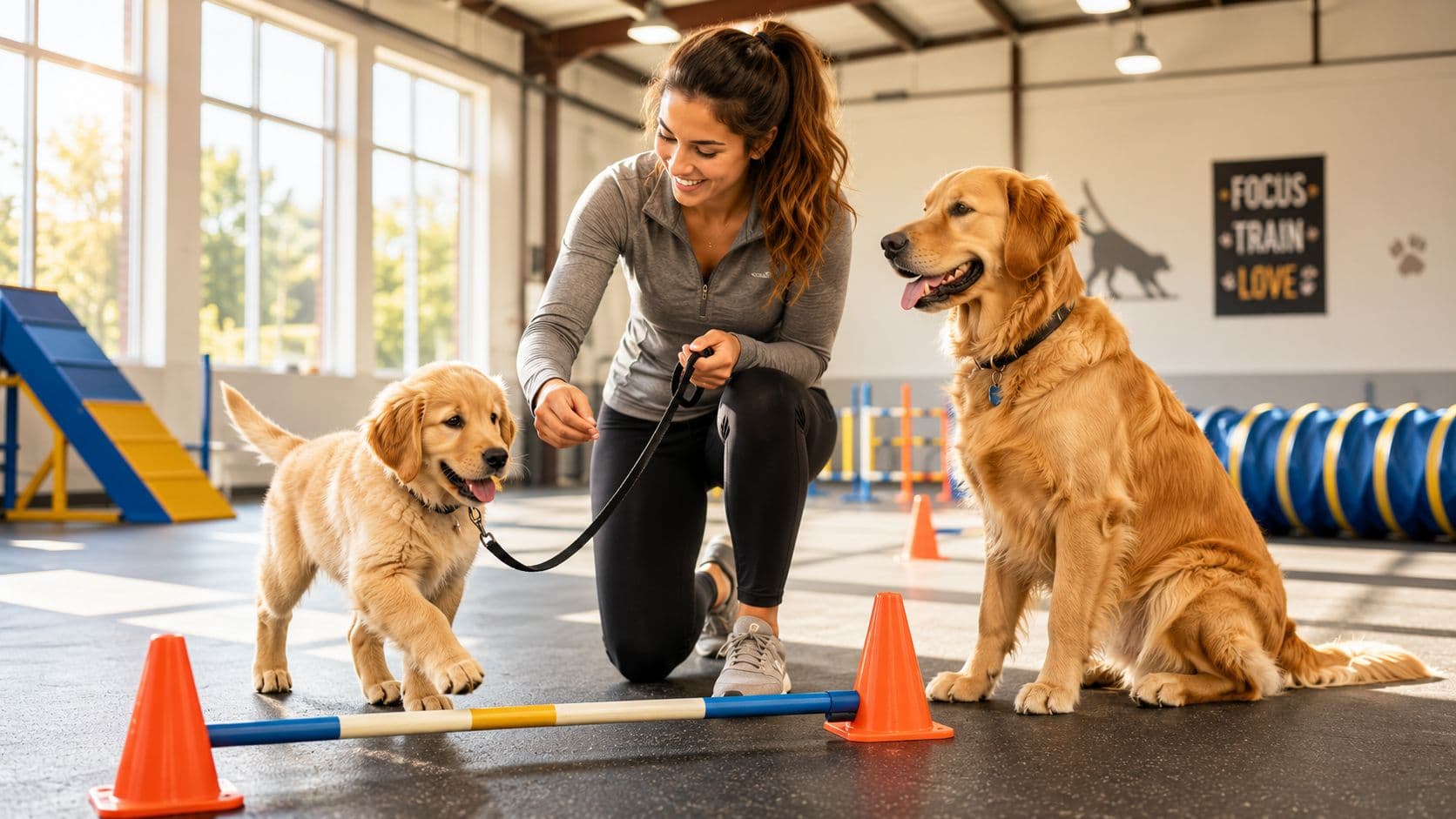
Hamilton Dog Training Club has that long-established feel for a reason. It's a non-profit that has served the Ohio community for over 70 years, and its site notes that the club celebrated its 70th anniversary in 2024. It also runs from its own building and holds classes 4 or 5 nights a week, with special events on weekends, according to the Hamilton Dog Training Club profile. That schedule tells you something important. This is an active, ongoing club, not an occasional class calendar.
What that means for a new member is simple. You're not walking into a place that only handles one stage of dog ownership. You're stepping into a training culture that has had to help puppies, family pets, sport teams, and motivated handlers over many decades.
Practical rule: If you want a training home instead of a one-off class, look for a club with regular weekly operations, a physical space, and programs that support different goals.
That community piece matters more than many people expect. Clubs often work best when owners can watch other teams, ask questions, and picture what comes next. If you're interested in how group-based learning communities keep people engaged over time, this piece on dog lovers community building is useful background. On the operations side, organizations that run recurring classes and member activities often rely on systems similar to a Club Management System to keep schedules, sign-ups, and communication organized.
Exploring the Class Catalog
Hamilton Dog Training Club isn't limited to beginner obedience. Its program mix includes puppy and competition obedience, agility, rally, conformation, therapy visits, and nose work, as described on the club website. That's a broad menu, and it helps to sort it into everyday language before you choose.
Foundation classes and everyday manners
Most dogs should begin with the basics, even if the owner's long-term goal is sports. Puppy and obedience work are where handlers learn timing, reward placement, leash handling, and how to keep the dog thinking in a distracting room.
For many families, this is the category that matters most. You want a dog who can focus, respond, and settle into daily life without constant friction. Those skills also become the base layer for every other class that comes later.
Sport and performance options
Agility and rally appeal to handlers who want more movement, more teamwork, and more challenge. They also help expose a common misunderstanding in training. A dog can know a cue in a quiet room and still struggle to do it while moving fast, turning, or working around other dogs. Sport classes teach handlers how to build reliability under changing conditions.
Conformation is different again. It's about presentation, handling, and ring skills. Therapy work points in another direction, asking the dog to perform appropriately in public-facing environments. Nose work often attracts dogs that enjoy searching and solving problems.
Here's a quick comparison to make the catalog easier to scan.
| Hamilton Dog Training Club Class Comparison | |||
|---|---|---|---|
| Class Type | Ideal For | Main Focus | Prerequisites |
| Puppy | Young dogs and new owners | Social learning, focus, early manners | Typically none for true beginners |
| Obedience | Family pets and future sport dogs | Cue response, leash skills, control | Beginner-friendly starting point |
| Rally | Handlers who enjoy structured teamwork | Precision, flow, communication | Basic cue familiarity helps |
| Agility | High-energy dogs and engaged handlers | Movement, obstacle foundations, teamwork | Usually stronger focus and handling basics |
| Conformation | Owners showing breed dogs | Ring presentation and handling | Goal-specific interest |
| Therapy | Calm, social dogs with public-facing goals | Polite behavior in visit settings | Solid manners and stability |
| Nose Work | Dogs that enjoy scent-based problem solving | Searching and odor-focused tasks | Varies by class level |
Why this catalog matters
A multi-discipline club usually teaches more than isolated commands. It teaches dogs and handlers to transfer skills. That transfer is the actual work. A sit in puppy class is one thing. A sit before entering an agility ring, during a therapy visit, or in a busy training building is something else.
Dogs don't become “trained” all at once. They learn one skill, then one environment, then one distraction level at a time.
That's one reason many owners enjoy clubs like Hamilton Dog Training Club. There's a visible path forward. You can start with basics, then branch toward what fits your dog's temperament and your own interests. If you create or teach training content yourself, this guide to training video creation shows how structured instruction can make that progression clearer.
Membership Pricing and Schedules Explained
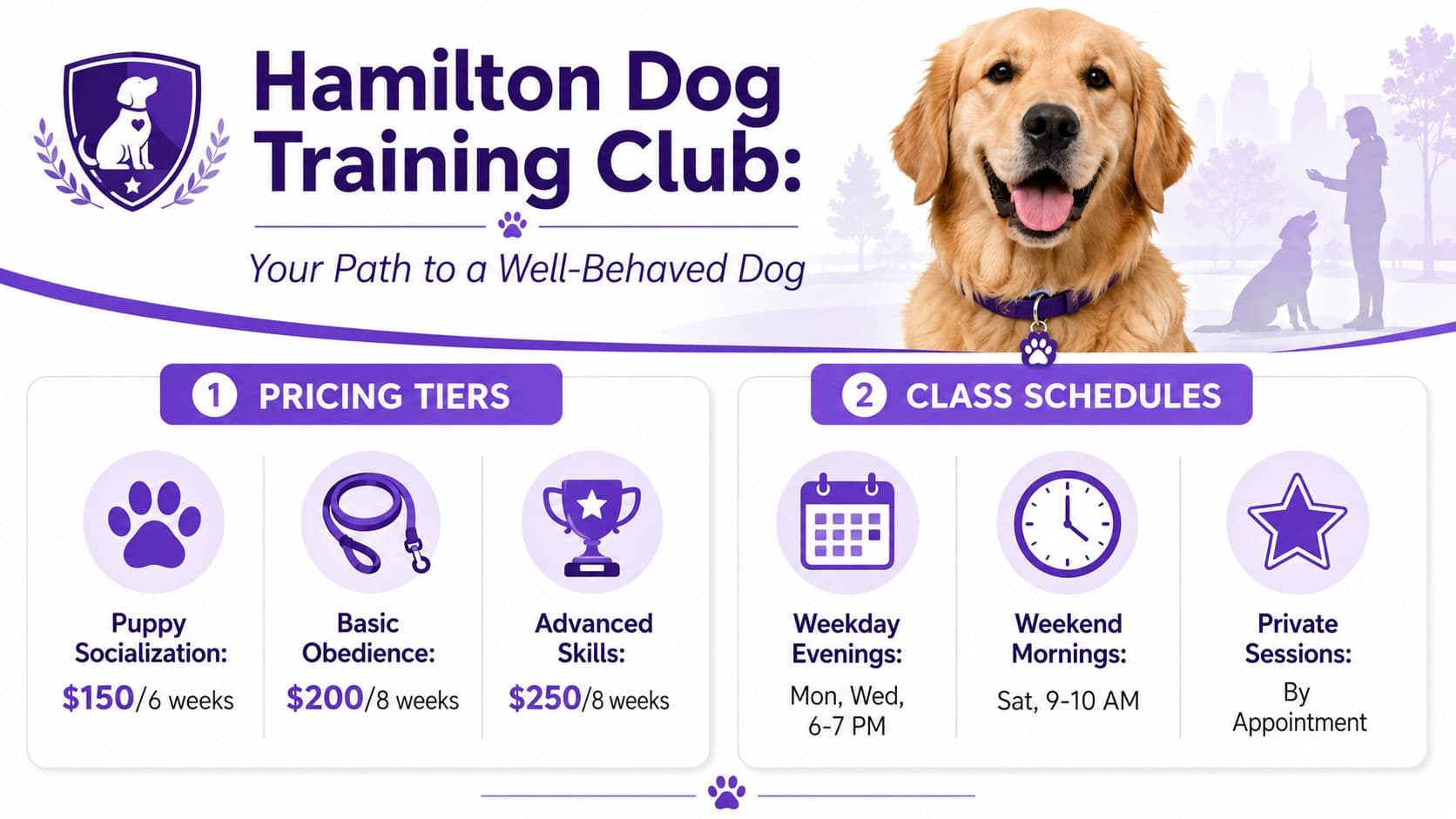
The club's registration structure gives you a useful look at how it organizes learning. According to the registration and payment page, first-time obedience or rally classes cost $110, continued training classes cost $90, special classes such as therapy or conformation cost $80, and nose work costs $135. The first class package includes a training book and, in Level 1, a training collar.
What the pricing structure tells you
This kind of tiered model usually signals a step-by-step approach instead of unlimited drop-in attendance. You register, train through a block, then decide on the next level. That tends to help owners stay accountable because each stage has a purpose.
The club also lists a four-week Advanced Canine Good Citizen format, with three weeks of instruction and a test in week four on its registration page. That's a useful example of how the club balances teaching time with evaluation. You're not just showing up repeatedly. You're building toward a specific standard.
How to think about the time commitment
Because Hamilton Dog Training Club operates several nights each week and also hosts weekend events, it suits people who want training to become part of their routine rather than an occasional errand. For some owners, that's the main advantage. You can stay involved and keep progressing instead of stopping after one beginner course.
A practical way to budget is to think in phases:
- Getting started: Expect your first class to cost more because it includes starter materials.
- Continuing work: Ongoing classes are priced lower than first-time entry for obedience or rally.
- Specialized goals: Some paths, like nose work, sit in their own category and may reflect different equipment or setup needs.
If you like comparing how structured offerings are packaged and positioned, this article on subscription pricing strategies is a helpful way to think about why organizations separate beginner access from continuing participation.
How to Choose the Right Class for Your Dog
Most owners don't struggle because there are too few options. They struggle because several options sound plausible.

Your choice gets easier when you stop asking, “What's the best class?” and start asking, “What skill does my dog need next?”
Start with your real goal
If your main goal is an easier life at home and on walks, begin with puppy or obedience work. That isn't the boring option. It's the option that gives you the most usable daily results.
If you want a dog sport that keeps both of you mentally engaged, your answer may be rally or agility. If you want a calm, social dog who can work around people in meaningful settings, therapy-related work may be the more natural direction. If your dog loves sniffing and solving, nose work can be a smart fit.
Ask yourself these questions:
- What frustrates me most right now: Pulling, jumping, lack of focus, excitement around dogs, or boredom?
- What does my dog enjoy: Food puzzles, movement, close handler interaction, greeting people, or searching?
- What kind of handler am I: Do I enjoy precise repetition, active movement, public service goals, or low-pressure exploration?
Match the dog in front of you
A high-energy dog doesn't automatically need agility first. Sometimes that dog needs better foundations before speed helps. A shy dog doesn't always need to avoid group classes either. Some quieter dogs blossom when the setup is structured and predictable.
Decision shortcut: Choose the class that teaches the next missing life skill, not the class with the most exciting name.
Here's where owners often get tripped up. They pick the class they hope their dog is ready for, instead of the class their dog can succeed in today. Success matters. Dogs learn faster when they can repeat behaviors well.
A curriculum mindset helps here. Good training builds in layers, and this guide on how to create a curriculum explains that same logic from the teaching side.
A short visual example can help if you're trying to picture how trainers think about progression and engagement:
A few common matches
- Brand-new puppy owner: Start with puppy foundations.
- Adult dog with decent manners but weak focus: Obedience or rally often fits well.
- Busy dog that needs a job: Agility or nose work can channel energy productively.
- Owner who wants steadiness around people: Therapy-oriented work may be worth exploring later, after core manners are solid.
The right choice usually feels a little modest at first. That's a good sign. Solid progress starts with the class your dog can handle, not the one that looks most impressive on paper.
Your Step-by-Step Guide to Joining the Club
Joining a training club feels simpler when you treat it like a checklist instead of a big decision. Hamilton Dog Training Club's process is usually easiest when you gather your information before you sit down to register.
The basic enrollment flow
- Check the current class offerings Start with the club's website and look for the class list, schedule, and registration details. Pick the class that matches your dog's current level, not the one you hope to jump into.
- Read the class description carefully Pay attention to whether the class is meant for first-time teams, continuing students, or a specialty path like nose work or therapy-related training. That prevents the most common registration mistake, which is choosing a level that's too advanced.
- Complete the registration form Have your contact details, your dog's information, and your selected class ready. If anything in the level descriptions seems unclear, it's worth contacting the club before paying.
What to prepare before the first night
Bring the basics and keep it simple:
- Your dog on appropriate equipment: Use the gear listed or recommended for your class.
- Your training supplies: If your class includes starter materials, review what is provided and what you still need to bring yourself.
- A plan for rewards: Pack treats your dog likes and can eat quickly, unless your class instructions say otherwise.
- Your mindset: Expect the first class to be more about learning the process than showing off a finished dog.
What first class success looks like
Most owners expect the first class to prove whether their dog is “good.” That's the wrong test. A successful first class usually means your dog can eat, orient to you sometimes, and begin learning the routine. If your dog is distracted, excited, or unsure, that's information, not failure.
Go to class ready to observe. Watch how your dog handles the room, how quickly they recover, and what rewards keep them engaged.
That information helps you train smarter from week to week.
What Members Say and Nearby Alternatives
The strongest appeal of Hamilton Dog Training Club isn't a flashy promise. It's the kind of value that keeps people coming back. Owners who like club environments usually appreciate the routine, the shared language around training, and the sense that there's always another step available when they're ready.
That matters because learning with dogs can feel lonely when you're doing it on your own. In a club setting, you see other handlers struggle, improve, and stick with it. That normalizes the process. Your dog doesn't have to be the calmest dog in the room for you to belong there.
How the club model differs from other local options
Private in-home trainers can be a great fit when a dog needs help in the exact environment where problems happen, such as the front door, the neighborhood walk, or multi-dog household dynamics. They're often the best choice when owners want fully individualized coaching.
Pet store group classes usually win on convenience. They may be easier to book casually, especially for early puppy work or basic manners.
Hamilton Dog Training Club offers a different experience. It sits closer to a community training model. Because it supports multiple disciplines and ongoing participation, it often suits owners who want more than a quick manners course.
Who usually fits best here
- The hobby-minded owner: You like the idea of continuing after beginner obedience.
- The community-oriented handler: You enjoy learning alongside other teams.
- The goal-driven family: You want clear progression instead of one and done training.
If you run a service business yourself, you may recognize this pattern. People stay when they feel supported, see progress, and trust the process. That's the same reason thoughtful businesses work hard on feedback, and this article on how to get testimonials from customers captures that broader idea well.
Frequently Asked Dog Training Questions
Do I need a specific breed or age to join classes at Hamilton Dog Training Club?
No. The club runs puppy and beginner obedience classes that are typically open to true beginners with no prerequisites, so young dogs and new owners can start from scratch. Older dogs and adult rescues fit into obedience or rally, which are described as beginner-friendly starting points. Specialty tracks like agility or therapy usually assume stronger focus and handling basics first.
How much should I budget for my first block of classes?
First-time obedience or rally classes cost $110, and that first package includes a training book (plus a training collar in Level 1). Continued training classes drop to $90, special classes such as therapy or conformation are $80, and nose work is $135. Expect your first class to cost more because of the starter materials, then lower ongoing fees as you progress.
Should I start with agility if my dog has a lot of energy?
Usually not. A high-energy dog often needs solid foundations first, because a cue that works in a quiet room can fall apart when the dog is moving fast or working around other dogs. Puppy or obedience work builds focus, timing and leash skills, which then become the base layer for agility or rally later.
What actually counts as a successful first night at class?
Not a polished performance. A good first class means your dog can eat treats, orient to you at least sometimes, and start learning the routine of the room. If your dog is distracted, excited or unsure, treat that as information about what to work on next, not as failure.
How is the club different from a private trainer or a pet store class?
Private in-home trainers are strongest when problems happen in a specific spot like the front door or neighborhood walks, and they offer fully individualized coaching. Pet store group classes win on convenience and casual booking for early puppy or basic manners. Hamilton Dog Training Club runs a community training model from its own building four or five nights a week, with a visible path from basics into sports, therapy and other specialties over time.
One of the biggest questions owners ask is also one of the most misunderstood. Can a class give you reliable off-leash recall?
The honest answer is that class can help you build it, but class alone won't finish it. Reliable recall tends to break down when owners expect a cue learned in a quiet environment to work automatically in a high-distraction setting. As discussed in this recent recall training discussion, success comes from practicing the cue across contexts instead of assuming it transfers on its own.
Why does my dog listen in class but not at the park
Because those are different assignments from the dog's perspective.
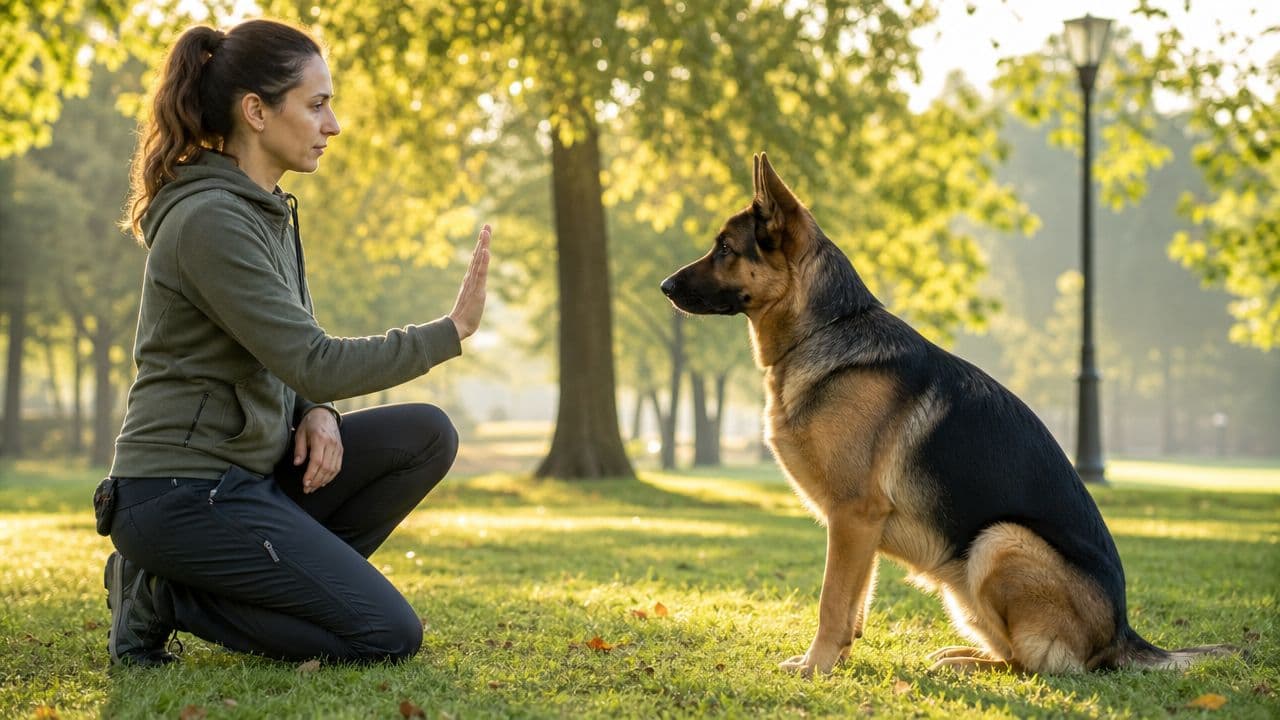
In class, the room is structured. You're focused. Rewards are ready. The dog gets repeated practice in a predictable setup. At the park, squirrels move, smells change, people appear, and your timing usually gets sloppier. Dogs don't generalize as broadly as owners hope.
The fix is not a magic cue. It's repetition in gradually harder places.
Can group classes help with real-world behavior
Yes, if you use them correctly. A class can teach mechanics, improve your timing, and give your dog controlled exposure to distractions. Then you have to take those same skills into parking lots, sidewalks, parks, friends' houses, and any other setting where you want the behavior to hold up.
Training is first learned in one place. Reliability is earned in many places.
What should I bring to class
Keep your gear practical:
- Food rewards your dog cares about: Fast to eat, easy to deliver.
- Standard walking equipment: Follow the club's guidance for your level.
- A notebook or phone notes app: You'll forget more than you think after class.
- Patience: Especially in the early weeks.
For owners who struggle with reward value, food motivation can make a big difference. This article on ChowPow's secret to training success offers a practical look at making reinforcement more appealing for some dogs.
What if my dog is nervous, reactive, or overexcited
Ask before enrolling. Group classes can work for some dogs that are worried or noisy, but the right starting point depends on the dog's current threshold and the class environment. The important thing is not to hide the issue out of embarrassment. A good placement decision starts with an honest description.
Do I need to know training theory first
No. You only need to be coachable and consistent. Most owners don't need more jargon. They need clearer timing, better practice habits, and realistic expectations. That's where a long-running club can be helpful. It gives you a place to practice the same core skills until they become habits for both ends of the leash.
If you teach, coach, or organize a niche community of your own, Zanfia works well for creators who want an AI team running the day-to-day of the business, not just a place to host content. You describe what you want built, by chat or by voice, and the assistant handles the work inside the platform: writing lesson drafts, generating landing pages, answering members in your community, or setting up a checkout. Courses, memberships, newsletters, digital products, consultations and branded communities all live under one domain, and a checkout built to sell handles order bumps, installments and upsells, with a test mode so you can buy your own product before launch. Zanfia charges 0% platform commission on customer sales, with only payment processor fees applying, and starts at $39/month, or $31/month billed annually, with a 14-day free trial and no credit card required. Availability of specific AI capabilities depends on the plan, so see the current Zanfia pricing for what each tier unlocks.